
Pregnancy and childbirth bring profound changes to a woman’s body, both physically and emotionally. As the body nurtures new life and slowly transitions into healing after giving birth, waves of discomfort, tension, and shifting hormones often create a need for soothing care and support. Massage therapy offers gentle support during these transitions, easing strain and promoting overall well-being.
Prenatal massage soothes aching muscles, reduces swelling, and calms the mind, creating a sense of ease as the body prepares for birth. Postnatal massage focuses on recovery, helping new mothers regain strength, relieve tension, and find balance amid the demands of motherhood. Understanding the unique benefits of each allows expecting and new mothers to choose the right care for their journey, embracing support that nurtures both body and mind.
Pregnancy and postpartum recovery are transformative periods that bring immense physical, emotional, and hormonal changes. During pregnancy, a woman’s body undergoes continuous adjustments to support the growing baby, often leading to discomfort, muscle strain, and stress. After childbirth, the focus shifts to healing, regaining strength, and adapting to the demands of motherhood. Massage therapy plays a key role in easing this transition, helping to relax sore muscles, improve circulation, and restore a sense of balance. Beyond physical relief, it provides a calming escape, reducing stress and promoting overall well-being. During this transformative phase, massage offers the care and support every mother deserves.
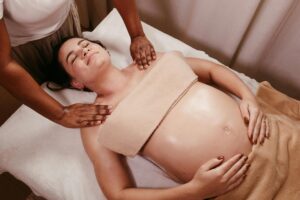
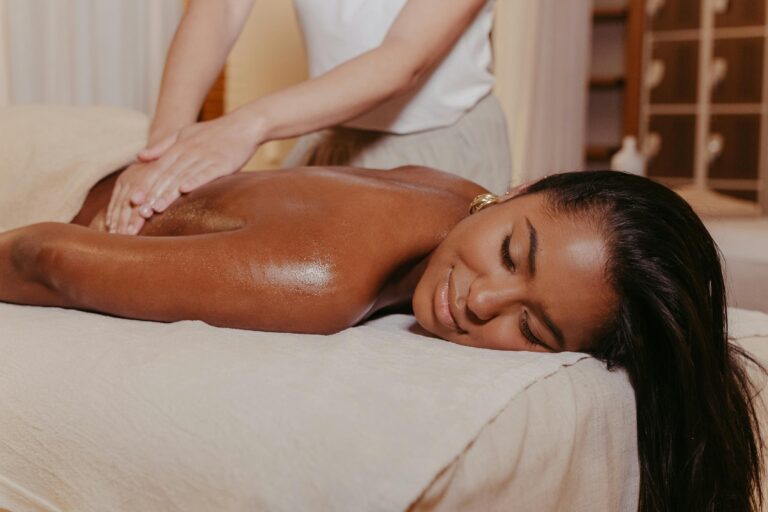
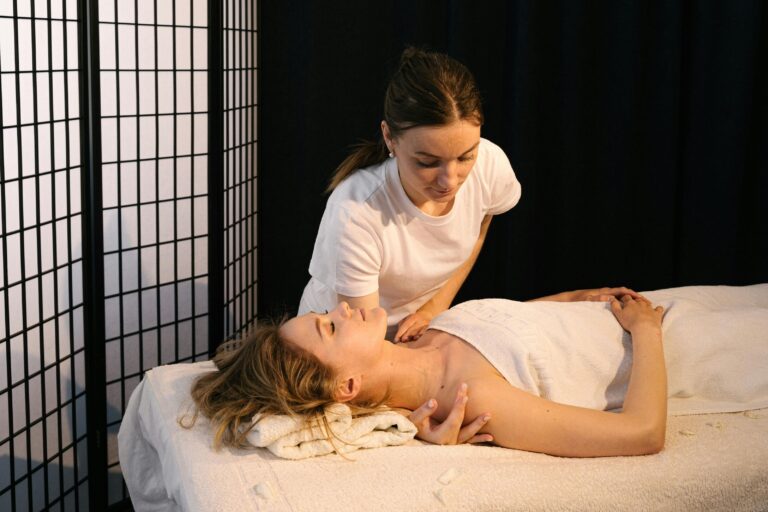
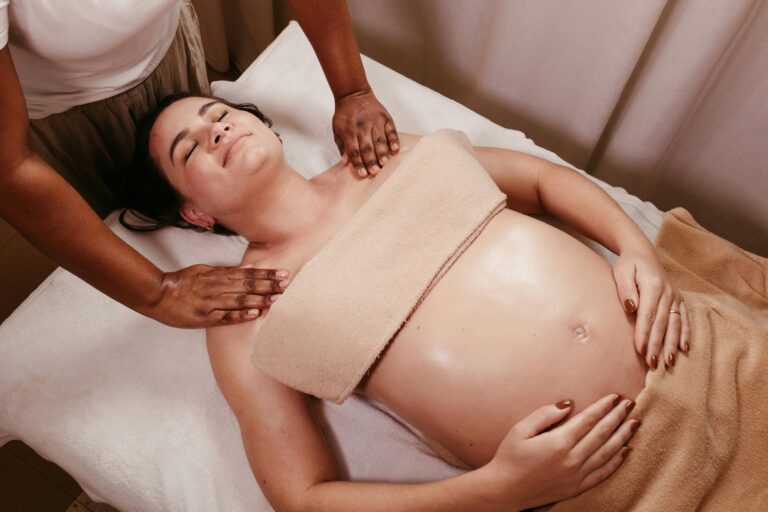
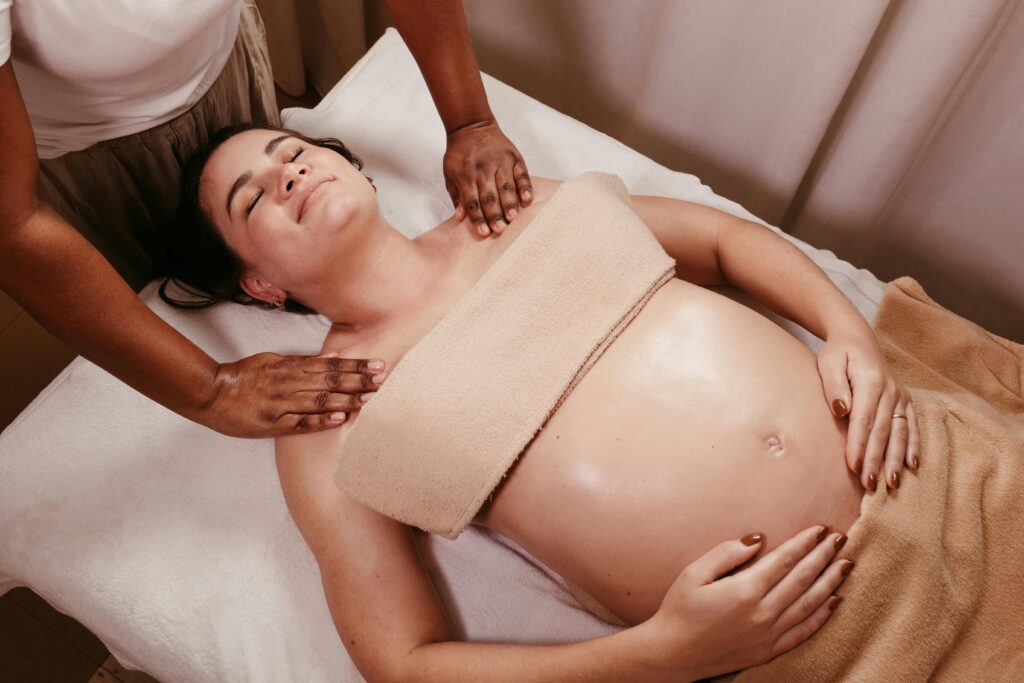
Prenatal massage is a gentle yet highly effective therapy designed to support expecting mothers through every stage of pregnancy. More than just relaxation, it helps relieve the physical strain of a growing belly, easing tension in the back, hips, and legs. At the same time, it soothes emotional stress, promoting a sense of calm and well-being for both mother and baby. Unlike traditional massage, prenatal massage is specifically tailored to the pregnant body, using safe, comforting techniques that enhance circulation, reduce swelling, and alleviate common pregnancy discomforts.
Prenatal massage follows specialized techniques and precautions. With the right approach, this nurturing therapy becomes a vital part of a healthy and balanced pregnancy journey. Therefore, choosing a certified prenatal massage therapist is essential, as their expertise ensures a safe, effective, and deeply soothing experience tailored to each mother’s unique needs. For expecting mothers looking for expert care, M2Wellness brings top-notch massage therapy straight to their homes in Singapore, offering professional care, and relaxation without the need to step outside. Our trained therapists use safe and effective techniques to provide relief, relaxation, and support throughout pregnancy. Whether you’re struggling with back pain, swollen feet, or stress, our prenatal massage services are designed to nurture both you and your baby. Book an appointment today
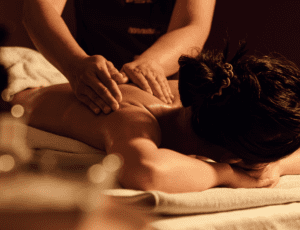
Postnatal massage provides nurturing support for new mothers and helps them heal, restore balance, and regain strength after childbirth.. This deeply restorative practice helps the body recover from the physical stress of pregnancy and labour while promoting emotional well-being during the transition into motherhood. More than just relaxation, postpartum recovery massage helps relieve muscle tension, improve circulation, and support overall postpartum recovery, making it an essential part of post-birth care.
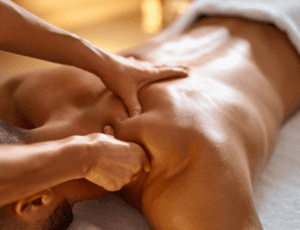
Unlike prenatal massage, which focuses on gentle comfort, postnatal massage incorporates targeted techniques to aid healing. Deep tissue massage relieves tension in overworked muscles, particularly in the back, neck, and shoulders, while abdominal massage supports the uterus as it contracts back to its pre-pregnancy size, helps reduce bloating, and promotes core muscle recovery. Selecting a certified postnatal massage therapist is crucial to ensuring you receive the right treatment, with safe and effective techniques tailored to your body’s unique recovery needs. M2Wellness provides expert postnatal massage services designed to relieve tension, boost circulation, and support a smoother, more rejuvenating recovery for new mothers. Book an appointment today.
While both prenatal and postnatal massages provide essential therapeutic support for mothers, their purpose, techniques, timing, and safety considerations differ significantly. Understanding these distinctions helps expecting and new mothers choose the right treatment for their needs, maximizing the prenatal and postnatal massage benefits throughout their journey.
Prenatal massage is all about comfort and relaxation, easing pregnancy-related aches like back pain, swollen legs, and muscle tension while promoting emotional well-being. In contrast, postnatal massage focuses on healing and recovery, reducing postpartum swelling, relieving muscle tension, and helping new mothers regain strength after childbirth.
Prenatal massage uses light, soothing strokes to accommodate the sensitive needs of an expecting mother, avoiding deep pressure that could trigger contractions. It prioritizes gentle relief, ensuring relaxation without overstimulation. Postnatal massage, however, incorporates deeper, more targeted techniques, such as deep tissue work to ease muscle tightness, abdominal massage to support uterine contraction, etc.
Prenatal massage is typically safe from the second trimester onward and can continue up until delivery. It provides much-needed relief during the later stages of pregnancy when the body is under the most strain. Postnatal massage begins after childbirth, with vaginal birth mothers usually starting within a week, while C-section moms need to wait up to six weeks, depending on their body’s healing process, before starting massage therapy.
Prenatal massage is designed with safety in mind, using a side-lying position and avoiding pressure points that could trigger contractions. Postnatal massage, on the other hand, offers deep relief but requires extra caution, particularly for C-section recovery, to prevent strain on the healing incision and support a smooth postpartum journey.
Both prenatal and postnatal massages come with specific safety guidelines to ensure the well-being of the mother. Therefore, choosing certified pregnancy massage services in Singapore with expertise in both prenatal and postnatal care is essential for a safe, healing experience.
Prenatal and postnatal massages play a vital role in supporting mothers through pregnancy and postpartum recovery. Prenatal massage focuses on relieving pregnancy-related discomforts, while Postnatal massage aids postpartum healing, helping new mothers recover from childbirth by reducing muscle tension, improving circulation, and restoring hormonal balance. Understanding these differences allows expecting and new moms to choose the right therapy for their needs.
M2Wellness offers prenatal or postnatal massage services tailored to support mothers at every stage. Whether you need relief during pregnancy or recovery after childbirth, our certified therapists provide safe, effective and deeply restorative care tailored to your needs. Contact us today and give yourself the support and relaxation you deserve.